










Controversy near KCR’s farmhouse; three cases registered against BRS supporters.
Hyderabad. A major political controversy has erupted in Congress-ruled Telangana following the alleged performance of a ‘purification’ ritual after a protest by Dalit activists. The police have registered three cases against BRS supporters for allegedly carrying out this purification near the farmhouse of former Chief Minister and Bharat Rashtra Samithi (BRS) chief K. Chandrashekar Rao in Siddipet district. This development occurred just hours after Dalit activists associated with the Congress party had staged a protest there on Tuesday.
According to the police, Congress Dalit activists had protested near KCR’s farmhouse on Tuesday. Shortly after the protest concluded, alleged BRS supporters arrived at the site and performed activities related to purification. The controversy intensified after videos and photographs of the incident surfaced. Linking the incident to the dignity of the Dalit community, the Congress has leveled serious allegations against the BRS.
Congress leaders allege that performing a purification ritual at the site following the Dalit activists’ protest reflects caste-based discrimination and a derogatory mindset. The party questioned why such a ritual was conducted specifically after the protesters had visited the location. The Congress maintains that in a democracy, every citizen has the right to express their views and stage peaceful protests; the alleged purification of a site after the visit of people from a particular community is unacceptable.
Based on complaints received regarding the incident, the police have registered three cases under various sections. The police are currently working to identify the individuals present during the incident and the BRS supporters allegedly involved in the purification act. Efforts are being made to reconstruct the sequence of events using material circulated on social media and available video recordings.
A crucial question facing the police is at whose behest the activity was carried out and what its objective was. Investigators will also examine whether the alleged purification ritual was directly linked to the Dalit activists’ protest or if the BRS supporters claim it was part of a different religious or political tradition. The veracity of the allegations and the intent behind the incident will only become clear after the investigation is complete.
Former Chief Minister K. Chandrashekar Rao’s farmhouse has long been a focal point of political discourse in Telangana. Opposition parties have frequently raised questions regarding the meetings and political activities held there. The current controversy stems from a protest by Dalit activists near the farmhouse and a subsequent alleged “purification” ritual. Consequently, the issue has transcended law and order concerns to become a matter of social dignity and caste sensitivity.
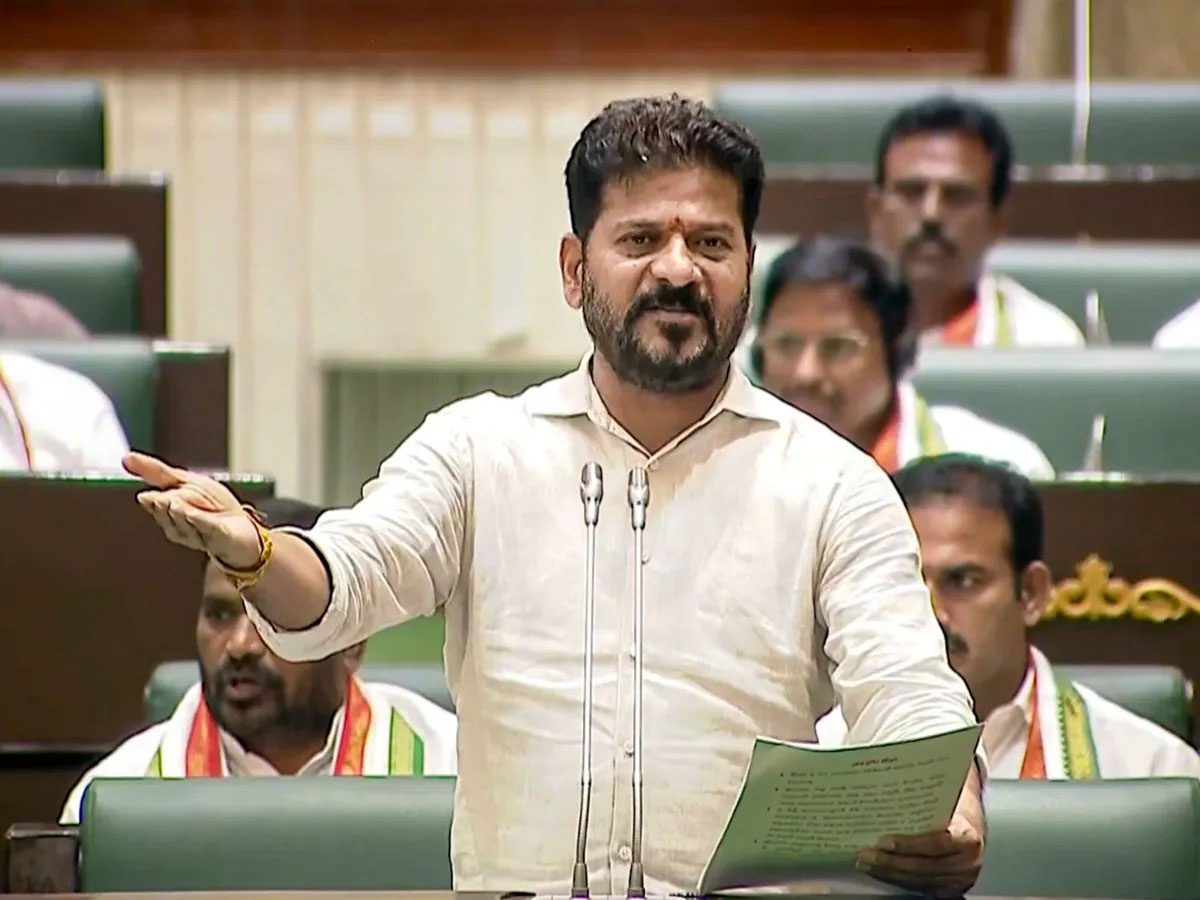
Telangana Chief Minister A. Revanth Reddy has assured a thorough investigation into allegations of insults and atrocities against Dalits in the state. He indicated that the government would treat such incidents seriously and that no guilty party would be shielded. The Chief Minister’s statement comes at a time when the Congress and the BRS are trading accusations regarding the interests and dignity of the Dalit community.
The Congress is framing this matter as an issue of social justice. Party leaders assert that there is no place in a democratic and constitutional framework for actions that deem the presence of Dalit community members “impure.” They have demanded an impartial police investigation and strict action against those found guilty.
On the other hand, the BRS might allege that the issue is being politicized. The stance of party supporters and their explanation regarding the alleged purification ritual will be crucial to the investigation. It remains to be seen whether the BRS leadership distances itself from the incident or defends those implicated in it. The party’s official response could further clarify the political trajectory of the controversy.
Following the incident, Congress and BRS supporters have also clashed on social media. One side characterizes it as a case of insulting Dalits, while the other accuses the Congress of seeking political mileage. Various clips of videos circulating on social media are being shared to substantiate respective claims. In this context, it will be essential for the police to verify the original footage and the timeline of events.
With three cases registered, the individuals involved may be questioned. The police might also record the statements of officials and staff present at the scene during and after the protest. If CCTV cameras are installed nearby, their footage could help determine who visited the site and what activities took place.
This controversy also highlights the significance of Dalit voters in Telangana’s politics. Both the Congress and the BRS have been striving to strengthen their support base within the Dalit community. Consequently, any incident involving an alleged insult could have far-reaching political repercussions. The Congress might link the incident to the BRS’s social outlook, whereas the BRS could frame it as an attempt by the ruling party to malign the opposition.
However, amidst the political blame game, the investigation must focus on the actual sequence of events. If an act has occurred that hurts the dignity of a community, accountability must be established. At the same time, one must refrain from declaring anyone guilty before the investigation concludes. The police need to arrive at an impartial conclusion based on video footage, eyewitness accounts, and other available evidence.
Following Chief Minister Revanth Reddy’s assurance of a thorough investigation, there is pressure on the administration to act swiftly and transparently.