










Gas supply rules relaxed amid West Asia tension, government lifts restrictions
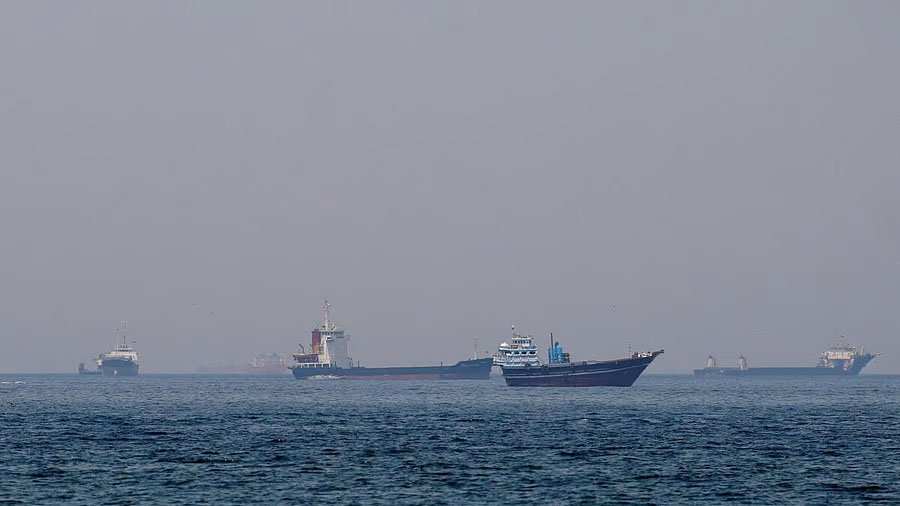
Delhi: The government has withdrawn most provisions of the Emergency Natural Gas Supply Regulation Order, implemented during the conflict in West Asia. This decision comes as normal liquefied natural gas (LNG) lifts from the Strait of Hormuz have resumed following the ceasefire. This move is expected to restore normalcy in the country’s gas supply system.
The Ministry of Petroleum and Natural Gas issued a notification on Saturday making these changes. The ministry has amended the Natural Gas (Supply Regulation) Order, 2026, removing several key operational regulations. Previously, these regulations required the sale of domestically produced natural gas and imported LNG to be made according to a set government priority list.
According to officials, the authorization order now largely leaves the supply system to normal market mechanisms. The previous order was intended to regulate gas supply during times of crisis and ensure assured supply to primary consumers. However, now that the situation has returned to normal, these restrictions are considered less necessary.
This original order was issued on March 9 under the Essential Commodities Act. At that time, global supply chains were affected by escalating tensions in the West Asia region and the disruption of LNG through the Strait of Hormuz.
Following the disruption of LNG through the Strait of Hormuz, many suppliers diverted their cargoes to priority handovers, citing force majeure. This situation resulted in disruptions in gas supplies to many countries, including India.
In response to this crisis, the government implemented an emergency control system, under which available natural gas and imported LNG were distributed based on a centralized priority list. The objective was to ensure uninterrupted gas supply to domestic industry, power generation, and essential services.
Now, with the ceasefire in effect and maritime transport returning to normal, LNG disruptions have become routine. With supplies returning to stability, the government has recognized that the emergency control system is no longer necessary.
Energy believes that this decision will increase supply in the gas market and make it easier for industries to obtain the supplies they need. It is also hoped that normal business activities will resume in both import and domestic production sectors.
However, energy experts also note that the global geopolitical situation is not yet completely stable, and therefore, the government may again have to intervene swiftly in the event of any potential crisis.
The new amendment will reduce government control over the gas supply system, but the government will retain the power to intervene in case of emergency. This is expected to create a balanced framework that addresses both the market’s role and national security.
Overall, this step is considered important in returning the energy supply system to normal, which is likely to provide relief to both industries and consumers.