










Political dynamics shift in Bankipur; politics of complaints intensifies.
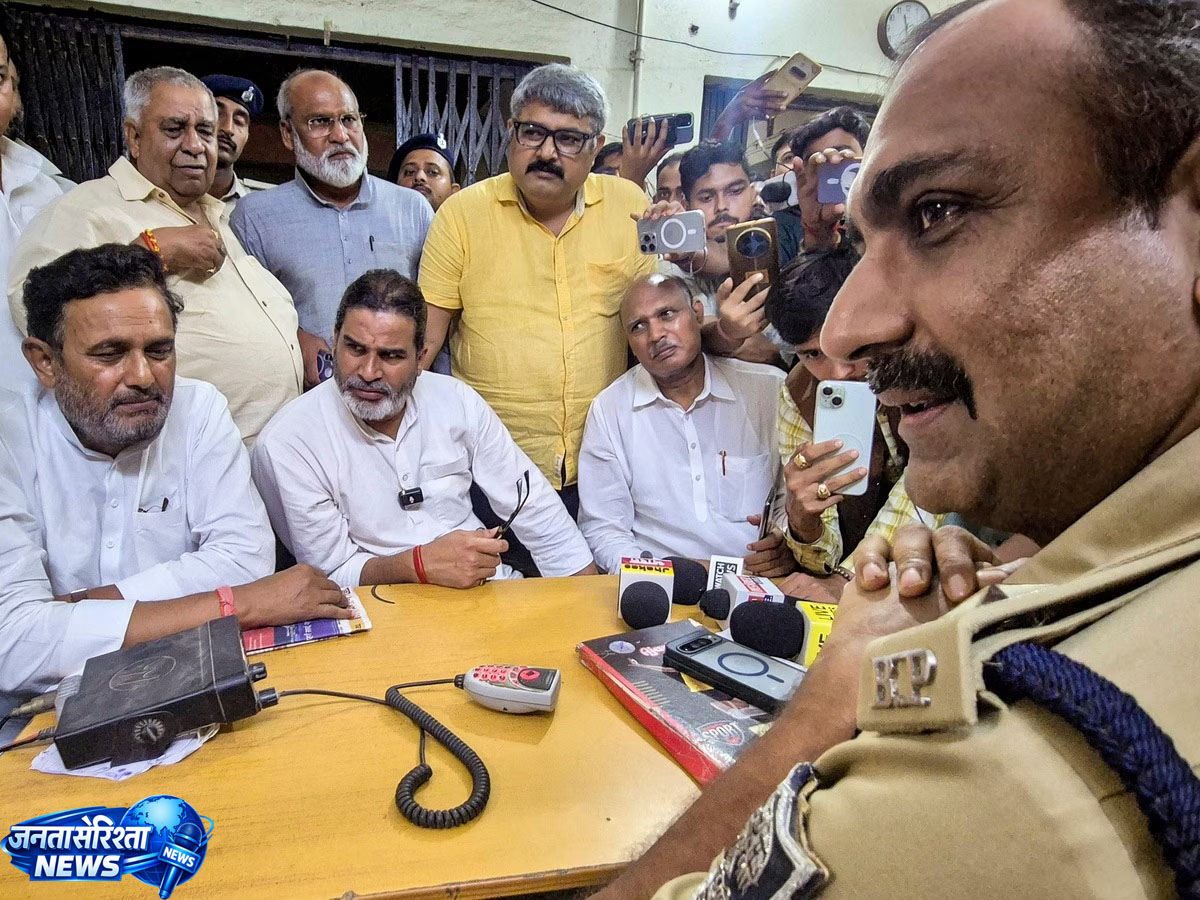
Patna. The electoral contest in the by-election for Bihar’s Bankipur Assembly seat was not limited merely to campaigning and public outreach; it also escalated to the Election Commission through a series of complaints and counter-allegations. Typically, during Lok Sabha and Assembly elections, it is opposition parties that approach the Election Commission and election officials with grievances against the Bharatiya Janata Party (BJP). However, the scenario in the Bankipur by-election played out differently, with the Jan Suraaj Party (JSP) compelling BJP leaders to respond to complaints and engage with the formal electoral process—from the Election Commission down to the Returning Officer.
The Bankipur by-election is considered politically significant. The BJP has long held a strong position here, making the retention of this seat a matter of prestige for the party. Meanwhile, Prashant Kishor, the driving force behind the Jan Suraaj Party, has made the contest intriguing by entering the fray. The BJP faces the challenge of maintaining its traditional stronghold, while the Jan Suraaj Party is seeking its first major electoral breakthrough.
The politics of lodging complaints has also become a key talking point in this election. The Jan Suraaj Party filed multiple complaints against the BJP with the Election Commission and election officials, raising questions regarding the fairness of the electoral process, campaign activities, and voting-related matters. This shift is notable because, historically, it was the opposition parties that primarily lodged complaints against the BJP.
Amidst the exchange of allegations in the electoral arena, the BJP also raised questions regarding the Jan Suraaj Party and Prashant Kishor. BJP leaders alleged that the Jan Suraaj Party was deploying massive resources for the Bankipur seat, accusing Prashant Kishor of spending crores of rupees on the campaign. However, the Jan Suraaj Party dismissed these allegations, terming them an attempt to exert political pressure.
The BJP also raised concerns regarding the voting process. Citing apprehensions about bogus voting, party leaders demanded strict verification of voter identity cards at polling stations. The BJP has stated that verifying identity cards against the electoral roll is essential to ensure that only genuine voters cast their ballots. The party has urged election officials to exercise vigilance in this regard.
The main contest for the Bankipur Assembly seat is seen as a three-way battle between BJP candidate Neeraj Sinha, Jan Suraaj Party’s Prashant Kishor, and Rashtriya Janata Dal (RJD) candidate Rekha Gupta. The RJD is also attempting to challenge the BJP for this seat, aiming to mount a strong campaign by leveraging its traditional vote bank and organizational strength.
Prashant Kishor’s entry into the electoral fray has turned the Bankipur contest into a triangular one. Having previously worked as an election strategist for several major political parties across the country, Kishor has now stepped directly into electoral politics through the Jan Suraaj Party. The Bankipur seat is viewed as a significant opportunity for him to establish a strong political foothold.
Political analysts believe that the Bankipur by-election is being shaped not only by the popularity of the candidates but also by election management and strategies regarding the handling of grievances. The Jan Suraaj Party’s active engagement with the Election Commission’s processes signals its readiness to challenge an established party like the BJP in the electoral arena.
Meanwhile, the BJP is confident of victory, relying on its robust organizational structure and established support base. The party asserts that the people of Bankipur will cast their votes based on issues of development and stability. Conversely, the Jan Suraaj Party is championing the cause of change and a new brand of politics.
This spate of complaints and grievances in the Bankipur by-election points to shifting dynamics in electoral politics. While opposition parties were traditionally the primary source of complaints to the Election Commission, new political forces are now playing an active role in the electoral process. Ultimately, the decision rests with the voters; however, the Bankipur election has certainly emerged as a case study of new strategies and evolving political behavior in Bihar’s political landscape.