










Monsoon withdraws from Uttarakhand; it remained active for 96 days, with rainfall 9 percent above normal.
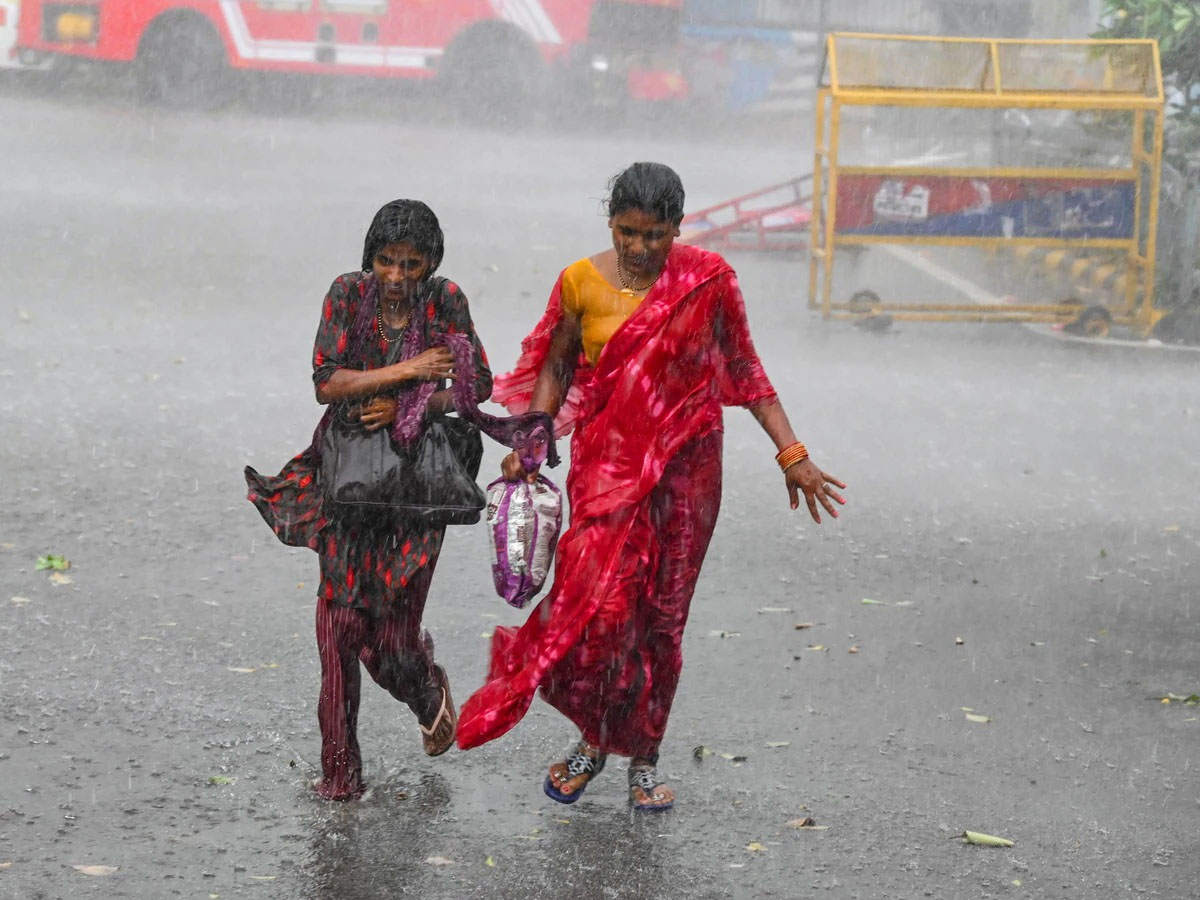
Dehradun. The south-west monsoon departed from Uttarakhand on Saturday. With this, this year’s monsoon season has formally ended in the state. This time the monsoon remained active in the state for a total of 96 days and nine percent more rainfall than normal was recorded in the entire season. According to the Meteorological Department, this is the fourth consecutive year that Uttarakhand has received more than normal rainfall during monsoon.
Monsoon is considered very important for a hilly state like Uttarakhand. While monsoon rains are essential for agriculture, drinking water sources, rivers and reservoirs, excessive rains also bring problems like landslides in hilly areas, road closures and overflowing rivers and drains. This time too, the effect of rain was seen in different parts of the state during the 96 days of monsoon.
According to the data of the Meteorological Department, the state received nine percent more rainfall than the average during the entire monsoon season. This trend of above normal rainfall continued for the fourth consecutive year. It is clear from this that in recent years the rainfall during the monsoon season in Uttarakhand has remained above normal level.
With the onset of monsoon, rainy season starts in both hilly and plain areas. Due to the geographical conditions of the state, there can be considerable variation in the intensity of rainfall in different districts at the same time. In some places, rivers and streams overflow due to heavy rains, while in some areas relatively less rainfall is recorded. Therefore, along with the average figures at the state level, regional conditions also remain important.
This time during the monsoon, road traffic was affected at many places due to landslides and debris in the hilly areas. Traveling becomes challenging during heavy rains in the mountains. The risk of landslides increases especially on sensitive mountain routes. The administration and concerned departments have to keep constant vigil at such times.
During heavy rains in the plains, waterlogging and increase in the water level of rivers and streams are the main challenges. Due to continuous rain, the problem of water accumulation in low lying areas arises. Similarly, due to sudden increase in the water level of rivers, people living on the river banks need to be alert.
The performance of monsoon is very important from the agricultural point of view. A large number of farmers in Uttarakhand are dependent on rain-fed farming. Due to limited resources of irrigation in hilly areas, monsoon rains play an important role for crops. Adequate rainfall provides water to the fields and also helps in recharging natural water sources.
However, above normal rainfall is not always entirely beneficial. If there is excessive rainfall in a short period of time, there is a risk of water logging in the fields, soil erosion and damage to the crops. Heavy rainfall on mountain slopes can weaken the soil, increasing the risk of landslides. Therefore, along with the total amount of rain, its timing and distribution are also important.
Uttarakhand recording above normal monsoon rainfall for the fourth consecutive year is also important from the point of view of studying weather and climate. Meteorologists constantly monitor the long-term patterns of rainfall, the activity of monsoon and its distribution over different regions. Study of long-term data is necessary to understand the reasons for above average rainfall for many consecutive years.
The departure of monsoon does not mean that rain will stop completely in the state. Even after monsoon, rain may occur in different areas due to western disturbances or local weather conditions. However, after the formal withdrawal of the south-west monsoon, the weather patterns gradually start changing.
With the departure of monsoon, the effect of autumn will start increasing in Uttarakhand. A drop in morning and evening temperatures may be seen in mountainous areas. In high altitude areas the effect of cold is felt sooner than in the plain areas. There is a possibility of a gradual decline in the minimum temperature in the coming weeks.
The departure of monsoon is also considered important from the point of view of tourism and Chardham Yatra. During the rainy season, there is a possibility of landslides and road blockage on hilly roads. After the rainy season subsides, travel conditions in the hilly areas relatively improve, although travelers need to keep an eye on weather and road related information.
The monsoon, which was active for 96 days this year, has given Uttarakhand nine percent more rainfall than normal. This is the fourth consecutive year when the state received more rainfall than normal during the monsoon season. In such a situation, this data is important for meteorologists as well as departments related to water resources, agriculture and disaster management.
After the departure of the South-West Monsoon, now a detailed assessment of the rainfall data of this entire season and its impact will be done. The continuation of above normal rainfall for four consecutive years also gives important clues to understand the changing seasonal patterns of Uttarakhand. At present, with the end of the 96-day journey of monsoon, the state is now moving towards changing weather and gradually increasing cold.