










Rift visible in relations between AAP and CJP
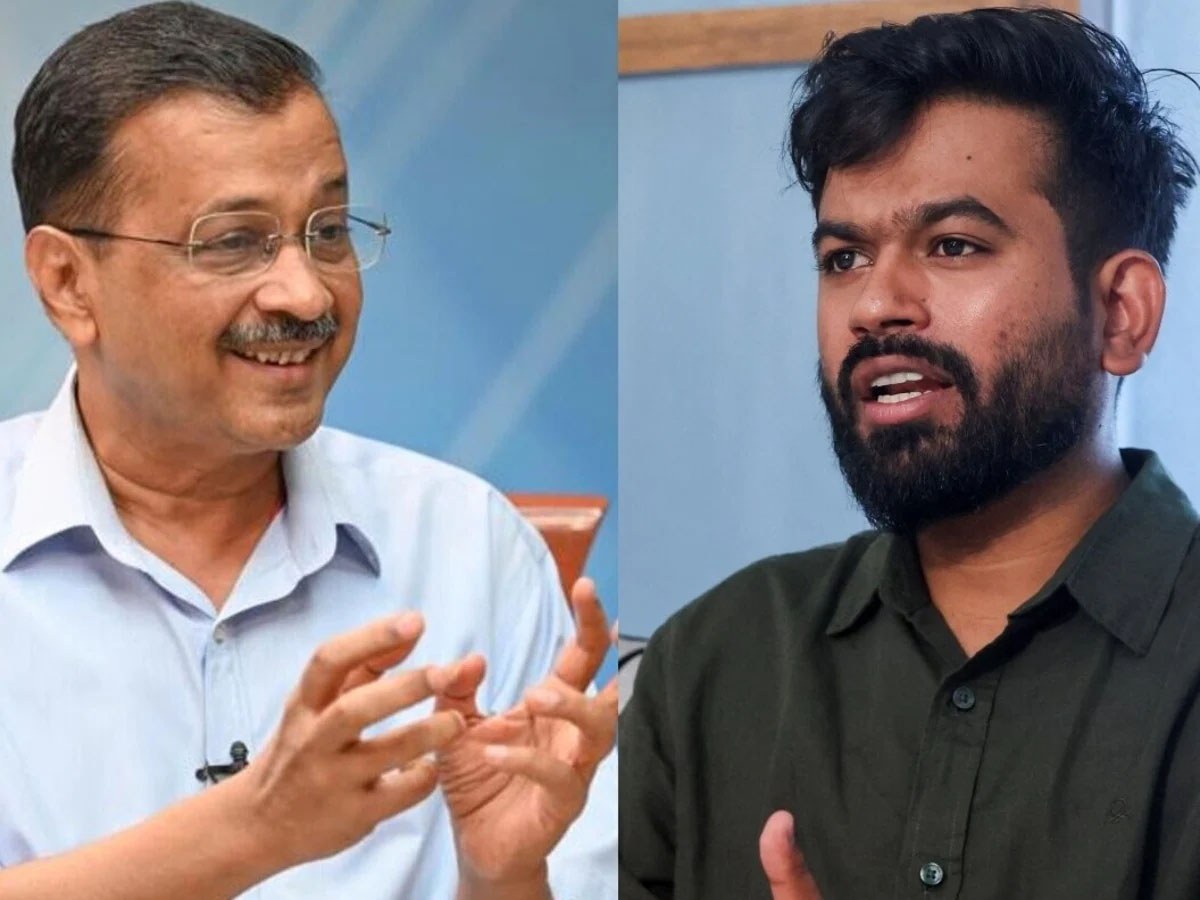
New Delhi. Political discussions have been going on for a long time regarding the relationship between Aam Aadmi Party (AAP) and Cockroach Janata Party (CJP). The main reason for this is that CJP founder Abhijit Deepke and some of its prominent leaders were earlier associated with the Aam Aadmi Party. Arvind Kejriwal himself has publicly admitted that leaders like Abhijeet Deepke and Ashutosh Ranka were once associated with AAP. Despite this, in recent times there is no clear consensus between the two organizations on some important issues.
The biggest difference is visible regarding elections and the strategy of the opposition. Abhijit Deepke had recently questioned the opposition parties that if they believe in irregularities in the election process then why are they taking part in such elections. He raised the issue of boycott of elections with the opposition parties. But till now no clear support has come from Aam Aadmi Party on this demand.
On the other hand, Arvind Kejriwal has also publicly expressed his expectation from CJP. According to reports, Kejriwal wants that the political target of CJP’s movement against Chief Election Commissioner Gyanesh Kumar should not be limited to the Election Commission only, but the question of accountability of Prime Minister Narendra Modi and the Central Government should also be included prominently in it. It has come to light that Kejriwal has made this appeal more than once, but the CJP leadership has not openly responded to it.
These days CJP is running a movement demanding the resignation of Chief Election Commissioner Gyanesh Kumar. The organization has demonstrated at many places including Shivaji Park in Mumbai. Abhijeet Deepke has raised questions related to voter list amendment and election process and has demanded resignation of Gyanesh Kumar and more transparency in the electoral system.
On 2 October, CJP-led protests took place in Mumbai, while protests were also organized in Delhi against the Chief Election Commissioner. Aam Aadmi Party leaders also participated in the Delhi demonstration and many people including party leader Saurabh Bhardwaj were detained by the police. It is clear from this that the concerns of AAP and CJP are similar on some issues related to the Election Commission and voter list, but the priorities of both regarding the direction of the movement and political strategy do not seem to be completely the same.
The discussion about the relationship between AAP and CJP is not new. Since the early days of CJP’s emergence, the old political connections of its leadership have been under question. Arvind Kejriwal had said in a conversation in August that his party has been a kind of “training academy” from where many people have learned politics and moved ahead. He had admitted that Abhijeet Deepke and Ashutosh Ranka were once associated with the Aam Aadmi Party. However, he also distanced himself from the notion that CJP was directly an organization of AAP.
Earlier in June, when CJP had agitated on issues related to youth, education system and examination, Arvind Kejriwal had openly supported the demands of the movement. He had said that there is a need to understand the anger and frustration of the youth and the government should solve their problems. At that time AAP and CJP appeared very close to each other.
Now the situation seems different. While Abhijeet Deepke wants a clear stand from the opposition parties on a big step like boycotting the elections, AAP has not moved forward on this publicly. On the contrary, Kejriwal wants CJP to include the political accountability of the Central Government and the Prime Minister in a more clear manner in its anti-Election Commission movement. CJP has not yet accepted or rejected this demand.
Politically, the position of both the organizations is also different. Aam Aadmi Party is an established political party and has been contesting elections in Delhi, Punjab and other states. For him, a decision like boycotting elections will affect his entire political strategy. On the other hand, CJP has been presenting itself as a platform for issues related to youth movement and system change. For this reason, it can be considered natural that the methods and priorities of the two organizations are different.
CJP has also announced a massive agitation from October 10. Abhijeet Deepke and other leaders of the organization have accused the government of suppressing the agitators and have appealed to people from across the country to join the movement.
At present there is no confirmation of any formal political alliance between AAP and CJP. The leaders of both have old relations and similar stance on many issues, but from the latest developments it is also clear that both the organizations are not unanimous on every political question. Now the focus will be on whether AAP takes any clear stand on Abhijit Deepke’s election boycott demand and whether CJP makes any changes in the direction of its movement as per Arvind Kejriwal’s appeal.
In the coming days, the proposed demonstrations of CJP and statements of AAP may make the picture of political relations between the two organizations clearer. At present the situation is such that both the organizations which appear to be together on some issues are waiting for answers from each other on different questions.