










Breathing easier: Delhi’s air was clean on 150 out of 229 days this year.
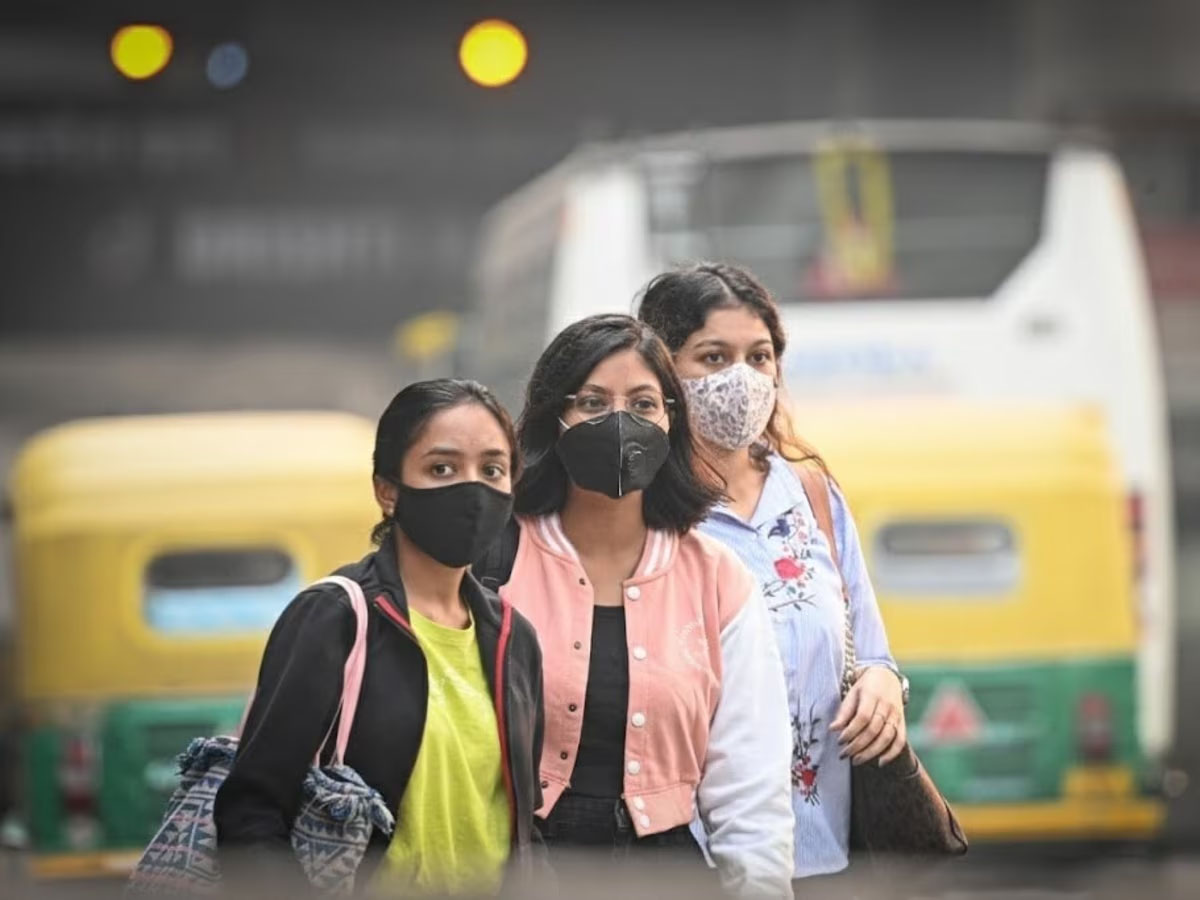
New Delhi. There is highly encouraging news regarding the air quality in the national capital, Delhi. As of Monday, residents of the capital have enjoyed clean and breathable air for 150 out of the 229 days that have passed so far this year (2026). According to the latest data released by the Central Pollution Control Board (CPCB), this marks the first time since 2020—a year defined by the global pandemic and lockdowns—that Delhi has recorded such a high number of days with air quality (AQI) in the ‘clean’ and ‘satisfactory’ categories during the first eight months of the year.
This figure reflects the qualitative shift in Delhi’s air and the positive outcomes of sustained efforts toward pollution control.
By the numbers: Best performance since 2020
According to the Central Pollution Control Board’s (CPCB) air quality bulletin, a total of 229 days—from January to mid-August of this year—were analyzed for Delhi. Of these, the Air Quality Index (AQI) was recorded in the ‘Good’ (0–50), ‘Satisfactory’ (51–100), or ‘Moderate’ (101–200) categories on 150 days.
During the nationwide lockdown imposed due to the COVID-19 pandemic in 2020, vehicular movement and industrial activities had come to a complete standstill, leading to an unprecedented improvement in air quality. However, maintaining better air quality for 150 days this year—despite the resumption of normal commercial and industrial activities—is being hailed as a significant achievement.
What factors led to the improvement in Delhi’s air? Environmental experts and meteorologists believe that a combination of favorable factors and administrative measures has driven the significant improvement in Delhi-NCR’s air quality this year:
Favorable weather conditions and rainfall: Continuous and intermittent pre-monsoon and monsoon showers helped wash away harmful airborne particulates (PM 2.5 and PM 10). Strong winds also aided in dispersing pollutants.
Promotion of Electric Vehicles (EVs): The successful implementation of the Delhi government’s EV policy has led to a substantial increase in the number of public and private electric vehicles on the road, thereby reducing vehicular emissions.
Strict construction norms: The Commission for Air Quality Management (CAQM) and the Delhi Pollution Control Committee (DPCC) strictly enforced dust control regulations at construction sites, such as the use of anti-smog guns and the installation of green netting.
Transition of industrial units to PNG: Most authorized industrial units operating in Delhi and the surrounding NCR regions have shifted to cleaner fuel (Natural Gas).
Health relief for Delhi residents
The increase in days with clean air has had a positive impact on the capital’s health landscape. In particular, the elderly, children, and patients suffering from respiratory ailments (such as asthma and bronchitis) have had to make fewer hospital visits this year. According to health experts, lower levels of PM 2.5 and PM 10 reduce the risk of heart and lung diseases.
Challenge remains for the winter season
While 150 days of clean air have brought significant relief, environmental experts warn that the real test lies in the upcoming winter months. From the latter half of October through November and December, a combination of factors—stubble burning, low wind speeds, a drop in temperature (inversion effect), and smoke from firecrackers—pushes air quality back into the ‘Severe’ category. The Commission for Air Quality Management (CAQM) and the Delhi government have already begun formulating strategies to effectively implement the ‘Graded Response Action Plan’ (GRAP).
Citizen Participation Crucial in the Fight Against Pollution
Environmentalists state that breathing clean air for 150 days proves that pollution can be conquered if nature cooperates and strict policies are enforced. However, to sustain this throughout the year, habits such as using public transport, planting trees, and refraining from burning waste must become part of daily life.