










Concerns about flooding rise due to continuous rain.
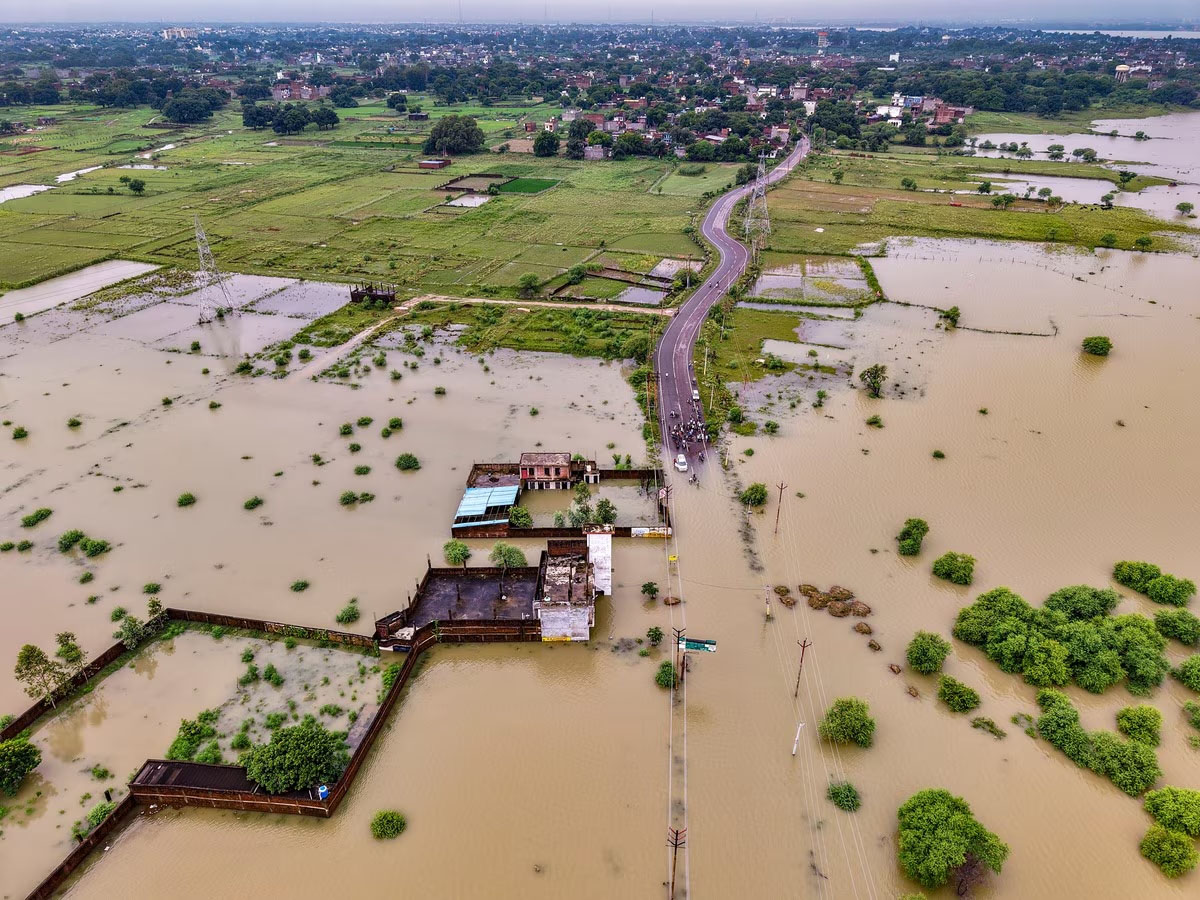
Kolkata/Patna. Heavy rainfall in catchment areas over the past 24 hours has heightened the risk of flooding in several regions. On Wednesday, the Damodar Valley Reservoir Regulation Committee (DVRRC) advised the West Bengal Irrigation Department to issue an ‘Orange’ alert in anticipation of potential flooding. Meanwhile, the Patna administration has also stepped up vigilance, with round-the-clock monitoring of embankments underway due to the looming flood threat.
Persistent rain raises concerns about increased water inflow into rivers and reservoirs. Consequently, relevant departments have been instructed to continuously monitor water levels and remain prepared to handle any emergency. The situation is being closely watched, particularly in low-lying areas and regions situated along riverbanks.
The DVRRC assessed the situation following heavy rainfall in the Damodar Valley region over the last 24 hours. Continuous inflow into catchment areas could exert pressure on reservoir levels. In light of this, the committee advised the West Bengal Irrigation Department to issue a flood-related ‘Orange’ alert, enabling timely preparations in areas likely to be affected.
If water is released from Damodar Valley reservoirs, river levels in the low-lying areas of West Bengal could rise rapidly. Therefore, maintaining a balance between water inflow and outflow at the reservoirs is crucial. Amidst continuous rainfall, decisions regarding reservoir management are vital for effective flood control.
The purpose of an ‘Orange’ alert is to provide advance warning to administrative bodies and the public regarding potential danger. Following such an alert, the local administration must strengthen measures such as identifying vulnerable areas, preparing relief and rescue resources, and ensuring timely information reaches those living along riverbanks.
Due to the heavy rainfall, special attention is required for areas in West Bengal that could be impacted by rising water levels in the Damodar river system. If the release of excess water from reservoirs becomes necessary, it could lead to waterlogging or flood-like conditions in low-lying areas. However, the situation will depend on the actual inflow of water into the reservoirs, the intensity of rainfall, and the volume of water released.
Meanwhile, the administration in Bihar has also gone on alert regarding potential flooding. The Patna administration has stepped up surveillance of the embankments. Officials and relevant staff have been instructed to ensure round-the-clock monitoring of the embankments. The objective is to detect any weak spots, leakages, or other hazards in time and take necessary measures.
The safety of embankments becomes crucial when river water levels rise during the monsoon. A sudden surge in water levels can increase pressure on the embankments. Continuous monitoring helps in the early detection of potential threats, enabling timely repairs or other necessary actions.
By strengthening surveillance measures in anticipation of potential floods, the Patna administration demonstrates its intent to be prepared for any emergency situation. Monitoring water levels and the condition of embankments is essential for the safety of people living along riverbanks and in low-lying areas.
In a flood situation, the biggest challenges are relocating the affected population to safe locations and providing relief supplies. Therefore, advance preparations play a vital role in minimizing damage during any disaster. Administrative arrangements—such as boats, relief camps, medical facilities, and essential supplies—are also crucial.
Persistent heavy rainfall leads to rapid water accumulation in catchment areas, with a significant portion flowing into rivers and reservoirs. If the rain continues for an extended period, water levels in the reservoirs can rise rapidly. In such scenarios, water may need to be released in accordance with safety protocols, which can impact downstream areas.
Reservoir management in the Damodar Valley region is particularly critical because decisions regarding water release can affect numerous downstream areas. The DVRRC plays a pivotal role in making decisions related to reservoir operations and water discharge based on prevailing conditions.
Vigilance at the local level is likely to increase further following the recommendation to issue an ‘Orange Alert’ to the West Bengal Irrigation Department. The administration may be advised to continuously update information regarding water levels and to ensure people are prepared to move to safer locations if necessary.
Similarly, the round-the-clock monitoring of embankments in Patna aims to contain potential issues before they escalate into major problems during a possible flood. If vulnerable spots are identified during routine inspections, immediate repair and reinforcement work can be undertaken.
Rainfall conditions over the coming hours will be critical. If heavy rain persists in the catchment areas, water levels in rivers and reservoirs could rise further; conversely, if the intensity of the rainfall decreases, the inflow of water is likely to gradually subside.
The current priority for the administration and relevant agencies is to keep a constant watch on the situation and minimize potential flood-related damage. The public is also expected to heed official information and warnings and avoid taking unnecessary risks near riverbanks or in vulnerable areas.
DVRRC’s recommendation to issue an ‘Orange Alert’ amidst heavy rainfall…