










New report: Thousands of deaths occur in India every year due to snake bites
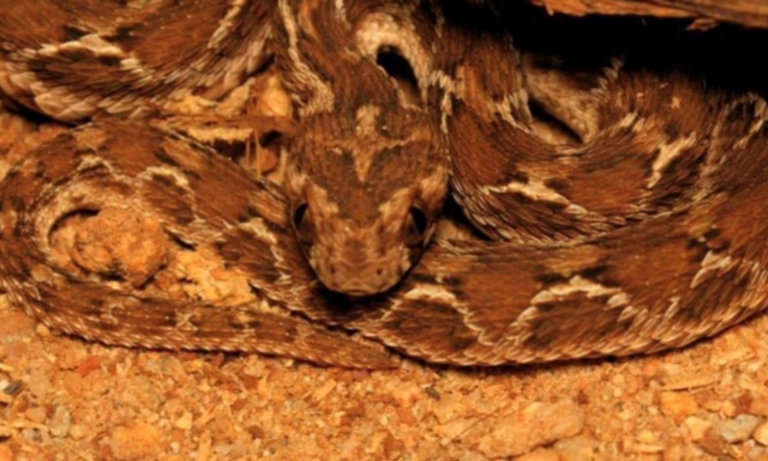
new delhi : Devendra, a farmer from India, recalls the day a snake bit his leg while he was collecting mulberry leaves. “I reached the hospital four days later, when the pain became unbearable. But by then, it was too late to save my leg,” he says in a short film by the Global Snakebite Taskforce (GST), an initiative focused on reducing snakebite deaths and injuries. Reported by BBC.
Devendra survived, but many are not so lucky. Government data shows that roughly 50,000 people die from snakebites in India each year, accounting for nearly half of global deaths.
Some studies suggest the real toll could be higher: between 2000 and 2019, India may have recorded as many as 1.2 million fatalities from snakebites, averaging 58,000 deaths annually.
A new GST report highlights major obstacles for healthcare workers in treating snakebites. Surveying 904 medical professionals across India, Brazil, Indonesia, and Nigeria, the countries most affected by snakebites, researchers found widespread challenges, including poor infrastructure, limited antivenom supplies, and lack of proper training.
Nearly half of respondents said treatment delays led to severe complications, such as amputations, surgeries, or permanent mobility issues.
Snakebite envenoming was officially classified by the World Health Organization (WHO) in 2017 as a “highest priority neglected tropical disease,” due to the significant number of deaths it causes.
WHO estimates that around 5.4 million people are bitten by snakes each year globally, with over 100,000 fatalities. The disease disproportionately affects poor rural communities in low- and middle-income countries.
In India, central and eastern regions report the highest number of snakebite deaths and injuries, says Dr. Yogesh Jain of GST, based in Chhattisgarh. He notes that farmers and tribal communities are among the most vulnerable.
To address the crisis, India launched the National Action Plan for Prevention and Control of Snakebite Envenoming (NAPSE) in 2024, aiming to cut snakebite deaths by half by 2030.
The plan emphasizes better surveillance, improved antivenom supply, strengthened medical capacity, research, and public awareness campaigns. Experts say these steps are promising but implementation has been uneven.
“Snakebites are often treated as a problem only for the poor, so there’s little public attention or urgency,” Jain explains. “Every minute counts when it comes to treatment.”
Snake venom can spread through the bloodstream within minutes, damaging nerves, cells, or organs depending on the species. Delays in antivenom administration can cause paralysis, respiratory failure, tissue death, or organ failure.
In rural areas, reaching a hospital quickly is often difficult due to poor roads, distant health facilities, and limited ambulance services.
In one tragic case last September, a pregnant woman in Gujarat died on the way to the hospital after her family had to carry her on a cloth sling for 5 km because no vehicle could reach their village.
Some states are working to improve access by stocking antivenom at primary and community health centers. However, administering it safely remains a challenge.
Many healthcare workers are not fully trained and worry about potential side effects, which can include serious allergic reactions.
“The antivenom is given intravenously over an hour, but many centers lack the equipment and staff to handle complications,” Jain says.
Cultural practices also contribute to the problem. Many rural residents first seek help from faith healers or traditional remedies, often delaying hospital visits until symptoms become severe, a delay that can be fatal.