










PM Surya Ghar Yojana lags behind target in Bihar
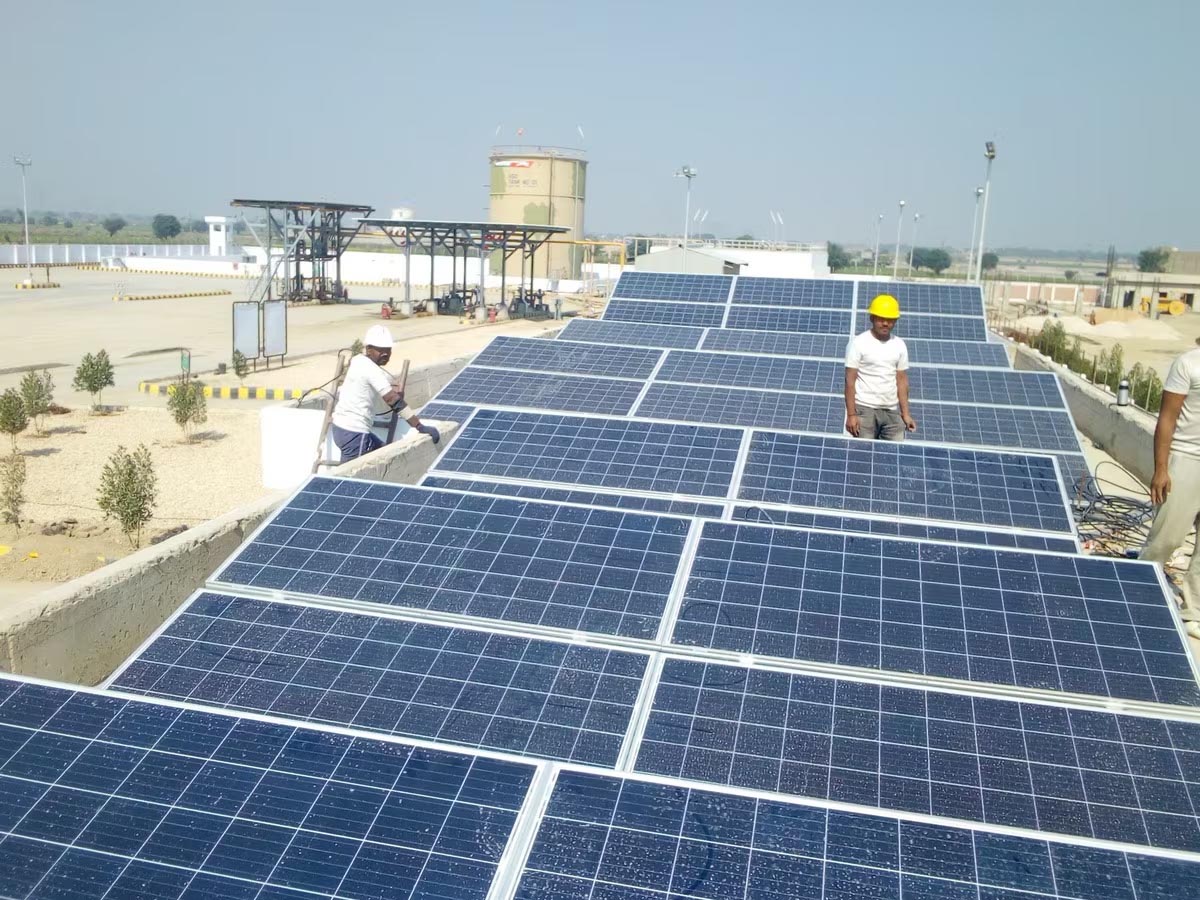
Patna. The ‘PM Surya Ghar Yojana,’ aimed at providing solar-powered electricity to poor families in Bihar, is currently lagging significantly behind its set target. The state aims to install 1.1 kW capacity solar plants on the rooftops of 250,000 poor households by November. However, solar plants have been installed in only about 49,000 homes so far. Consequently, achieving the target within the stipulated timeframe has become a major challenge for the concerned departments and agencies.
According to the data, against the target of 250,000 families, solar plants have been installed in only 49,000 households to date. This means there is still a gap of approximately 201,000 households. The scheme’s target is to be met by November, with roughly 100 days remaining; therefore, the pace of work must be accelerated manifold.
To install solar plants in the remaining 201,000 households within the next 100 days, installations would need to be carried out in approximately 2,000 homes daily on average. This figure is significantly higher than the current rate of progress. Achieving this requires expediting the entire process—from identifying beneficiaries at the district level and conducting technical surveys to ensuring equipment availability and completing the actual installation of the solar plants.
The scheme aims to reduce electricity expenses for poor families while connecting them to clean and renewable energy. Through the 1.1 kW rooftop solar plants, families will be able to generate a portion of their own electricity requirements, thereby reducing their dependence on the conventional power grid.
Promoting rooftop solar energy is considered crucial for the energy sector in a state like Bihar, which has a large rural population. However, achieving the target requires implementing the scheme on a massive scale. Despite installations in 49,000 homes so far, a substantial portion of the overall target remains unfulfilled.
The coming 100 days are, therefore, considered critical. Installing solar plants in over two thousand homes daily will require a large workforce of trained technical staff and installation teams, along with the necessary equipment. Any delay in the supply of materials or the verification of beneficiaries at any stage could make achieving the target even more difficult.
Furthermore, the varying geographical conditions across districts could pose challenges. While accessing homes and securing technical resources might be relatively easier in urban areas, transporting solar panels and equipment—and dispatching trained teams for installation—to remote rural areas could take significantly longer.
Achieving the target will require effective coordination between the district administration and the agencies involved in the scheme. Several steps must be completed, ranging from preparing the list of beneficiaries and inspecting rooftops to supplying solar panels and commissioning the plants. All these processes must be executed within a set timeframe.
Promoting solar energy through the ‘PM Surya Ghar Yojana’ will also yield significant environmental benefits. Installing rooftop solar plants in a large number of homes will boost clean energy production. This will allow a portion of electricity demand to be met locally, thereby helping to reduce the strain on conventional energy sources.
For low-income families, the most significant aspect of the scheme is the potential reduction in electricity costs. Generating electricity at home via solar plants can offer long-term financial benefits. For this reason, 2.50 lakh low-income families in the state have been included in the initial target.
However, the critical question remains: can the target of installing plants in the remaining 2.01 lakh homes be achieved by November? This requires completing the work in approximately two thousand homes every day. Viewed on a weekly or monthly basis, the pace of installation will need to be significantly accelerated.
Raising awareness among beneficiaries is also crucial to speeding up the scheme. Selected families must be provided with timely information regarding the process, the benefits of solar plants, and installation requirements. This will help expedite the procedure once the technical team arrives.
Once the solar plants are installed, their quality and maintenance will also be of great importance. Rather than rushing installations merely to meet targets, it is crucial to ensure that the installed solar systems comply with prescribed standards and that beneficiaries derive the full benefit from them.
Currently, the data regarding the PM Surya Ghar Yojana in Bihar presents a significant challenge for the government and relevant agencies. Out of the target of 2.50 lakh households, the scheme has reached approximately 49,000 homes, leaving 2.01 lakh yet to be covered. The pace of the scheme over the next 100 days or so will determine whether the target can be achieved by November.