










South Kerala Critical Mineral Corridor: The Dawn of an Industrial Revolution
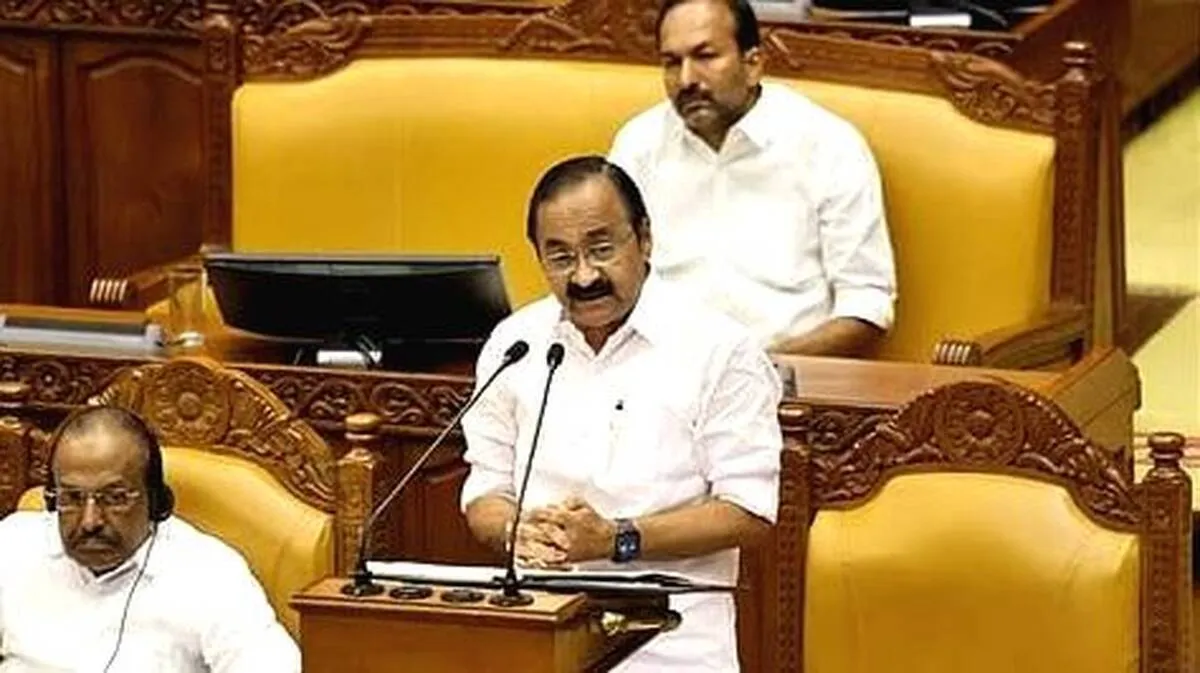
Thiruvananthapuram: The ‘South Kerala Critical Mineral Corridor’ project, included in the government’s budget, has the potential to drive industrial development worth over ₹50,000 crore in the state. The project is also expected to generate thousands of employment opportunities. This initiative was incorporated into the budget following the Central Government’s ‘Critical Mineral Program.’ An allocation of ₹100 crore has been made for this project.
The Centre’s ‘Rare Earth Corridor’ project covers the coastal region stretching from Odisha to Kerala. In the Union Budget presented earlier this year, the Centre announced a ‘Production Linked Incentive’ (PLI) scheme worth ₹7,280 crore for this sector, and Kerala has been included in the project. Although this announcement initially did not receive much attention, Chief Minister V.D. Satheesan recognized its potential for Kerala’s development and included it in the state budget. The project encompasses mining activities along the Kollam and Alappuzha coasts, a development center in Thiruvananthapuram, and logistics facilities around Vizhinjam. Consortium to oversee the project: The project will be managed by a consortium led by KMML, comprising central entities such as IREL Limited, Coal India Limited, and Kerala’s Keltron. This consortium will operate under the supervision of the state government. The rare earth mineral Neodymium—essential for manufacturing magnets used in electric vehicles, wind turbines, aircraft, mobile phones, drones, and medical equipment—will be extracted from ‘black sand.’ Monazite, found in large quantities in the waste residue left after producing titanium dioxide and titanium sponge from black sand, will be utilized to extract Neodymium. Private companies possessing the necessary technology will be able to set up industrial units in the state. Another area with growth potential is the establishment of specialized centers for extracting minerals such as thorium and scandium. Currently, approximately 80% of India’s requirement for neodymium oxide is met through imports from China. The central government aims to halve this dependency by 2030. Kerala’s mineral resources can play a pivotal role in achieving this goal; the state holds reserves of 13.15 million tonnes of monazite.
According to the Geological Survey of India, the country possesses reserves of approximately 482.6 million tonnes of critical minerals. Of this total, 13.15 million tonnes of monazite reserves are located in Kerala.