









Why We Require Vitamin B1 How To Get It With Foods
We can be healthy only when our body receives all the nutrients it needs. If any of the nutrients the body needs is lacking, the body becomes ill. Therefore, nutrition experts suggest that we should definitely include seasonal fruits, greens, vegetables, pulses, and nuts in our diet. When it comes to nutrients needed by the body, the first things that come to mind are Vitamin C, Vitamin D, Vitamin A, protein, and calcium. But Vitamin B1 is also very necessary for our body. It is also called Thiamine. Vitamin B1 helps us in many ways, such as increasing the functioning of nerves and muscles, improving heart health, controlling sugar levels, improving metabolism, and increasing memory. Due to the deficiency of vitamin B1 in the body, we are prone to many health problems. Therefore, we must definitely consume foods containing vitamin B1.
Vitamin B1 deficiency..
This is a water-soluble vitamin. This vitamin helps us in converting carbohydrates into energy in the body. Due to the deficiency of this vitamin, nerve-related problems increase. In particular, the problem of beriberi arises. Due to this problem, the body does not convert the food we eat into energy. Due to this, there is a possibility of more heart and nerve-related problems. In addition, due to vitamin B1 deficiency, memory power decreases. Body weight decreases. Mental peace is lost. The mind is always confused and restless. In addition, dizziness, lethargy, loss of appetite, and numbness in the legs and arms can also occur. Therefore, it is very important to consume foods containing vitamin B1.
Sunflower seeds, green peas..
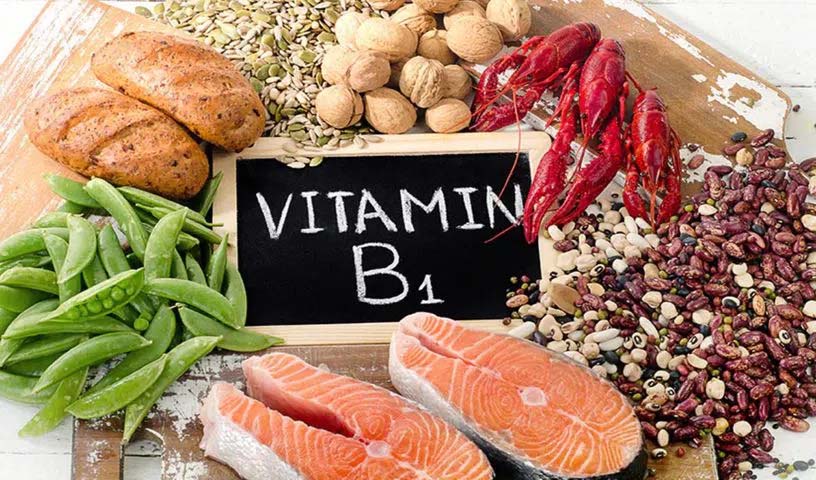
Sunflower seeds contain a sufficient amount of vitamin B1. 100 grams of sunflower seeds contain 0.106 milligrams of vitamin B1. In addition to vitamin B1, these seeds also contain other nutrients like B2, B3, B6, vitamin C, vitamin E, and vitamin K. Consuming these seeds prevents vitamin B1 deficiency in the body. This prevents us from falling victim to health problems caused by vitamin B1 deficiency. Similarly, green peas also contain a sufficient amount of vitamin B1. 100 grams of green peas contain 0.282 milligrams of vitamin B1. These also contain other nutrients like calcium, iron, magnesium, phosphorus, potassium, sodium, and selenium. Green peas are also available at an affordable price. Therefore, anyone can easily eat them. Eating green peas can prevent vitamin B1 deficiency.
Other foods containing vitamin B1..
Vitamin B1 is also found in foods like meat, fish, milk, and cereals. Including these in your diet can also help prevent vitamin B1 deficiency. Vitamin B1 is generally required by people over 19 years of age at 1.2 milligrams per day, pregnant women at 1.1 milligrams per day, and lactating mothers at 1.4 milligrams per day. Nutritionists also recommend that you consume foods that contain vitamin B1 for your eyes.