










Karnataka: Global conflicts deal a major blow to India’s spice exports, registering a 33% decline.
Karnataka Karnataka: The impact of the long-running West Asia dispute and Russia-Ukraine war is now clearly visible on India’s spice exports. According to the latest data of the Spices Board, there has been a decline of 33 percent in the country’s spice exports as compared to last year. This decline is mainly due to disruptions in international shipping routes and disruption to the supply chain.
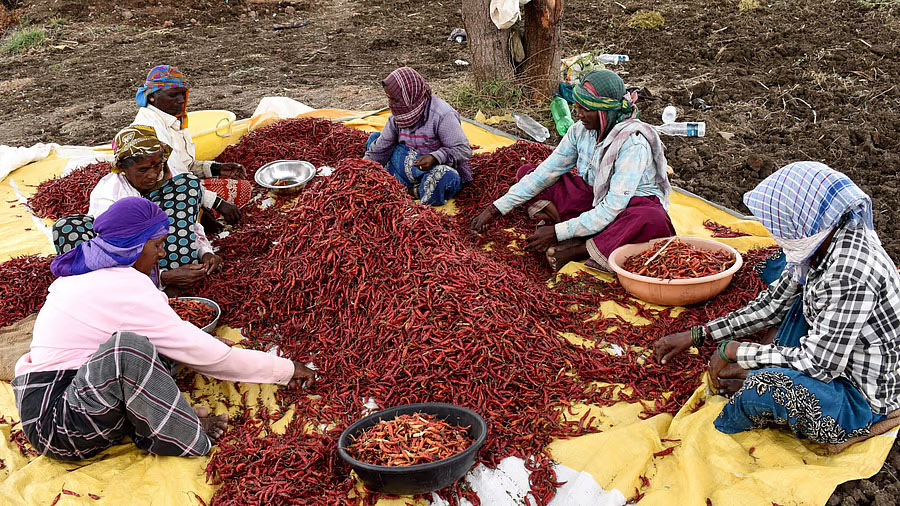
According to the report, India could not export large quantities of spices to Europe, West Asia and nine Commonwealth of Independent States (CIS) countries due to blockage in major sea routes. These spices include major products like black pepper, cumin, turmeric, red chilli and cardamom. Overall, the supply of about 77,117 tonnes of spices was disrupted, which had a direct impact on export earnings.
Due to this situation, India is estimated to suffer a foreign exchange loss of about Rs 854.37 crore in the financial year 2025-26. This loss is a matter of concern for sectors that have long been dependent on agriculture-based exports. Experts believe that the direct impact of international conflicts and geopolitical tensions is now being seen on agricultural exports as well.
According to the Spices Board, global market volatility and rising transportation costs have also made the situation more difficult. Shipping companies have changed many routes, which has increased delivery times and also increased costs. This has affected both Indian spice traders and exporters.
Karnataka, one of India’s major spice producing states, has been particularly affected by the decline. The state is the sixth largest spice producer in the country and black pepper, small cardamom, byadgi chilli, turmeric and ginger are exported on a large scale. The decline in exports has also affected the income of local farmers and traders.
Experts say that if global conflicts continue for a long time, the spice industry may face further challenges in the coming years. India’s spice exports hold a significant share in the global market, hence maintaining supply chain stability has become extremely important.
Government and business organizations are now focusing on finding alternative markets and new shipping routes, so that losses can be reduced. Also, digital logistics and diversification of sea routes are also being considered.
At present the situation is that the ongoing tensions at the international level are directly impacting India’s agriculture and export sector, in which the spice industry has emerged as one of the most affected sectors.