










Which is better for lowering sugar, jeera water or fenugreek water?
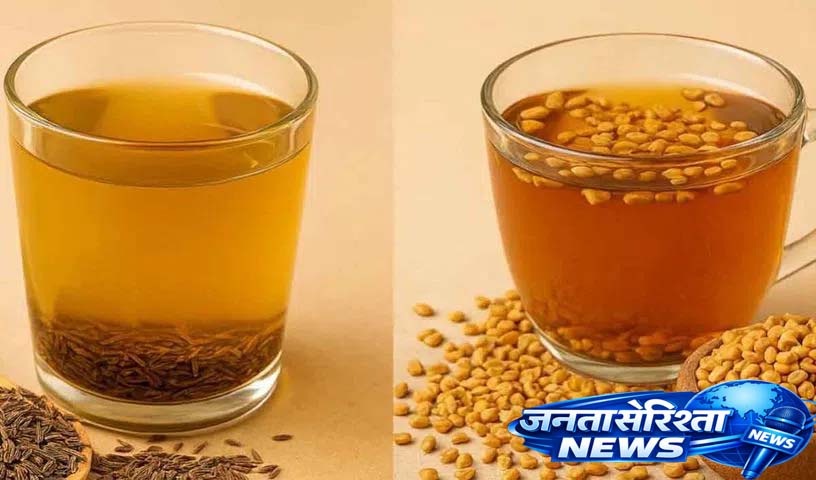
Natural home remedies become a part of daily life before we fully understand how they work. Jeera water and methi water are also such popular drinks. Many people use them to naturally control blood sugar levels. Both these drinks are made from ingredients that have been trusted for generations and can be easily prepared at home. However, they do not work the same way when it comes to reducing or stabilizing blood sugar. That is why many people have doubts about knowing which one works better. So doctors are explaining which one works better between jeera water and methi water.
What does jeera water do?
Jeera water offers several benefits in blood sugar control. According to a clinical trial published in Food Science and Nutrition in 2017, the anti-diabetic properties of cumin significantly reduced fasting blood sugar and HbA1c levels in people with type 2 diabetes. This improves insulin sensitivity and enables the body to use glucose effectively. Similarly, jeera water helps improve digestion. According to a review in the International Journal of Medical Research and Health Sciences (2023), it stimulates digestive enzymes. Improved digestion results in a slower release of glucose into the blood, preventing a sudden spike in sugar after a meal. The presence of antioxidants in cumin reduces inflammation. This helps the metabolism function properly and keeps blood sugar levels stable. It also controls the increase in sugar levels after meals by delaying the breakdown of carbohydrates. Drinking hot jeera water in the morning hydrates the body and improves metabolic balance.
If it’s fenugreek water…
On the other hand, fenugreek water is more effective in controlling blood sugar. Fenugreek seeds are rich in soluble fiber, especially galactomannan. It forms a gel-like substance in the gut (digestive system) and slows down the absorption of glucose. According to a meta-analysis of 14 clinical trials, consumption of fenugreek water significantly reduced HbA1c and fasting glucose levels. Fenugreek contains a compound called 4-hydroxyisoleucine, which helps in the release of insulin. This can effectively reduce blood sugar. It also increases the feeling of satiety and reduces the habit of overeating, thereby keeping sugar levels under control throughout the day. Fenugreek water also improves the lipid profile. According to a study in the British Journal of Nutrition, it helps in reducing triglycerides, LDL, and total cholesterol levels. It is more useful in improving fasting blood sugar if taken on an empty stomach.
Which ones are useful?
Thus, both jeera water and fenugreek water have their own unique benefits. Jeera water improves digestion, reduces inflammation, and helps control sugar spikes after meals. Fenugreek water is slightly more effective in reducing fasting sugar and HbA1c. In general, jeera water is good for a drink that helps digestion. But if you want to target and control blood sugar, fenugreek water works a little better. However, experts say that using both in a balanced way is good for health.