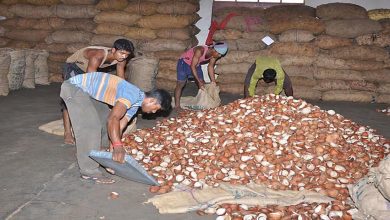










Migration from 6,000 villages in Bihar; lack of employment a major reason.
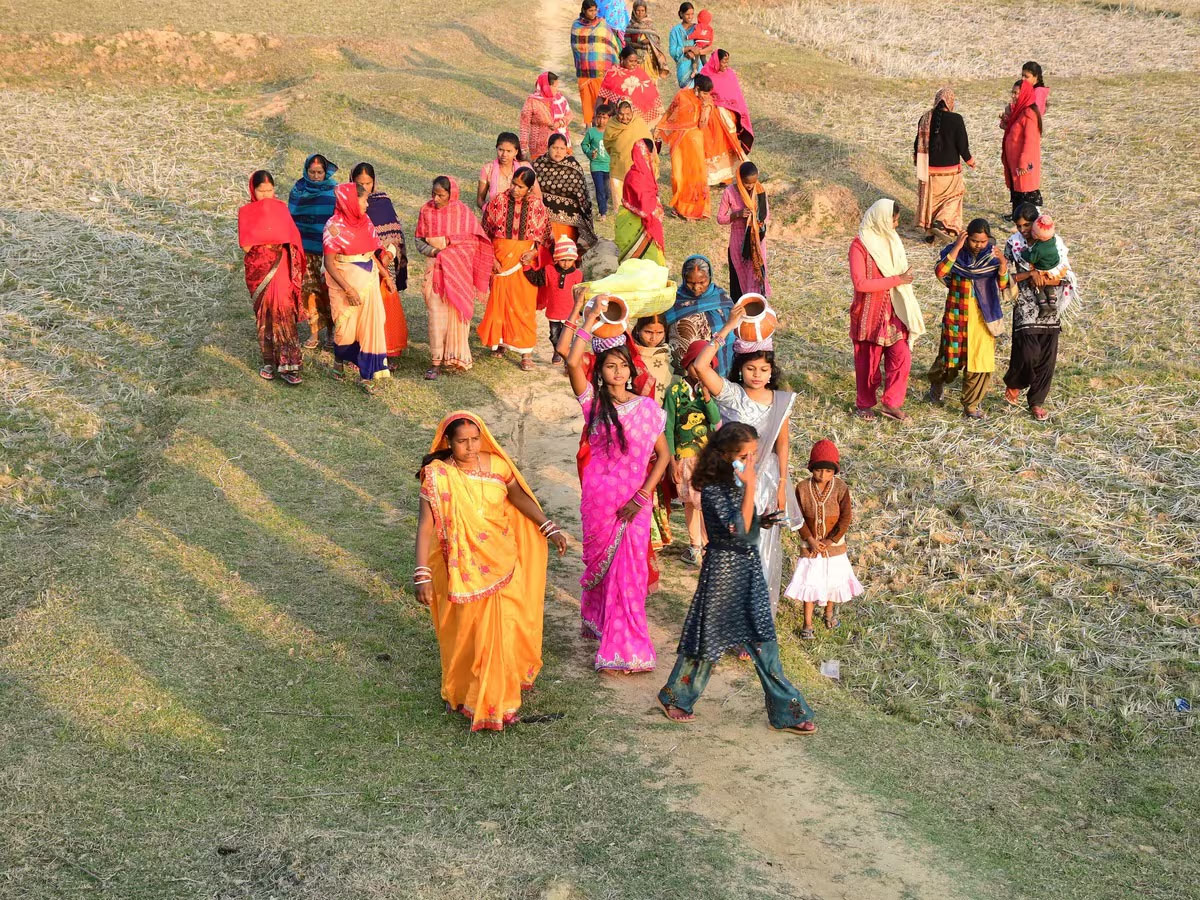
Patna. Due to limited opportunities for employment and higher education in Bihar, a large number of people are migrating to other states and foreign countries. Out of the state’s approximately 40,000 revenue villages, 6,000 have been identified as having the highest rates of migration. According to data from the Labour Resources Department and socio-economic surveys, a lack of job opportunities and the pursuit of better education are among the primary reasons for this migration.
Migration from Bihar is not limited to the interstate level; a significant number of people also head to other countries in search of employment and a better future. The highest rates of migration are recorded in over a dozen districts of the state. Migration from rural areas is particularly significant, as young people move to other states due to the lack of adequate local employment opportunities.
Youth leaving villages in search of employment
A large proportion of those migrating from Bihar consists of working-age youth. Due to the lack of sufficient local employment, people migrate to states such as Delhi, Maharashtra, Gujarat, Punjab, and Haryana. Large numbers of workers leave the state to seek employment in sectors like construction, manufacturing, hospitality, transport, agriculture, and the unorganized sector.
For many families, working in other states has become a crucial source of income. Limited options for regular, well-paying jobs locally force young people to move away from their villages and families. While this strengthens the economic condition of many families, prolonged migration also has social and familial repercussions.
Higher education: Another major reason for migration
Along with employment, higher education is a key reason for leaving Bihar. Due to limited options for higher education in many districts, students move to other cities for further studies after completing their undergraduate degrees. In search of better institutions, technical education, and vocational courses, a large number of students migrate to cities like Delhi, Bengaluru, Pune, and Hyderabad, in addition to Patna.
Many young people who leave for education end up seeking employment in those same cities after completing their studies. Migration that begins with the pursuit of education can thus become permanent due to employment needs. This is why expanding higher education and job opportunities within the state is considered crucial to curbing migration.
Floods and Droughts Also Drive Migration
Natural disasters in Bihar exacerbate the problem of migration. The livelihoods of a large number of people—particularly in flood-prone areas—are affected every year. Waterlogging in fields, crop damage, and the stalling of economic activities create an income crisis for rural families.
Similarly, drought conditions increase the hardships faced by families dependent on agriculture. When local employment and income sources dwindle, family members are compelled to seek work in other states. Thus, natural disasters also serve as a significant driver of inter-state migration from Bihar.
High Migration Rates from Over a Dozen Districts
According to data from the Department of Labour Resources and socio-economic surveys, the highest rates of migration are recorded in more than a dozen districts of the state. Large numbers of people from these districts leave the state in search of employment.
The nature of migration varies by district. While dependence on agriculture and natural disasters are major factors in some areas, limited local job opportunities drive youth to migrate in others. Significant numbers of skilled and semi-skilled workers also migrate from certain regions.
Government Focus on Industry and Investment
To mitigate the migration crisis, the state government is emphasizing industrial development and the promotion of investment. The government aims to establish new industries and create local employment opportunities.
In this context, a target of attracting investments worth ₹5 lakh crore by November has been set. The government anticipates that large-scale investment will accelerate industrial activity and generate new jobs. If better employment opportunities become available to the youth close to home, the number of workers and young people migrating to other states could be reduced. Expectation of Job Growth Through Investment
The expansion of industries and new investments in Bihar are expected to generate both direct and indirect employment opportunities. Alongside new industries, job prospects could also increase in sectors such as transportation, construction, services, logistics, and others.
However, the challenge before the government is to ensure that investment is not confined to major cities but also reaches the regions from where migration is most prevalent. If industrial and employment opportunities are developed in rural and backward areas, the issue of migration can be addressed more effectively.
Migration has long been a socio-economic challenge in Bihar. The fact that the bulk of migration originates from 6,000 of the state’s approximately 40,000 revenue villages highlights the magnitude of the problem. In addition to a lack of employment and higher education opportunities, natural disasters like floods and droughts also compel people to leave their homes.
In this context, the state government’s target of attracting investments worth ₹5 lakh crore is considered significant. It remains to be seen how quickly the proposed investments materialize on the ground and how many local employment opportunities are generated as a result.