










Punjab: Community seed bank revives flood-affected villages
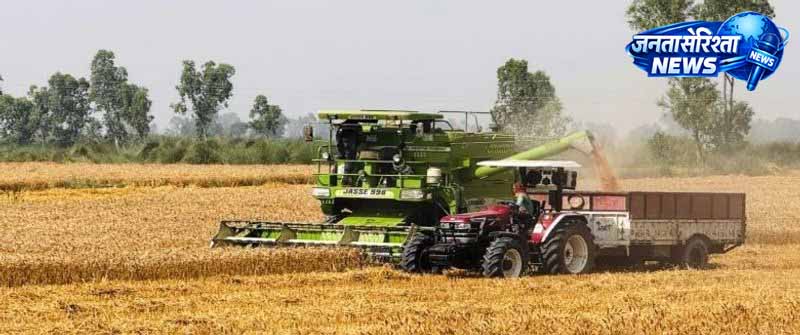
Punjab: The recent floods in many villages across the state posed a serious challenge for farmers and local communities. Crops were destroyed in the fields and many homes were damaged. During these difficult times, community seed banks played a crucial role in helping villages get back to normal. Seed banks provided high-quality seeds to farmers, enabling them to quickly resume sowing after the floods. According to local officials and farmers, the seeds distributed through community seed banks are not only compatible with local varieties but are also durable and disease-resistant.
The community seed bank model focuses on empowering farmers and maintaining agricultural diversity. This model has proven particularly effective during natural disasters like floods. Farmers reported that without the help of seed banks, it would have been difficult to resume farming. One farmer said, “If we didn’t have seeds, we would have suffered a huge loss of our entire crop. The seed bank provided timely assistance, and we were able to resume farming.” Local NGOs and farmer committees supported the seed banks’ operations. They also taught farmers proper seed harvesting, storage, and sowing techniques.
In addition, some banks conducted training on crop protection and water management, helping to mitigate the impact of future disasters. Experts say that community seed banks not only provide immediate relief to farmers but are also crucial for long-term agricultural security and sustainable agriculture. This model promotes cooperation and shared responsibility within rural communities. The Punjab government has also praised this initiative and plans to establish more community seed banks locally. Officials say the aim is to empower farmers to be self-reliant during times of disaster and ensure agricultural sustainability.